inquiry
Leave Your Message

10 Tips for Buying Stone Coated Tiles

Choosing Stone Coated Tiles is not simply a matter of comparing colors and prices. A roof must withstand rain, wind, sunlight, temperature changes, and years of maintenance. The right decision begins with understanding the tile’s steel core, aluminum-zinc coating, stone granules, profile, and installation method. A beautiful sample may hide weak edges or poor bonding. Look closely.

Mark Graham, a respected roofing specialist and former technical leader at the National Roofing Contractors Association, offers a useful principle: “A roof is a system, not merely a covering.” That idea guides this article. Stone Coated Tiles should be evaluated together with battens, fasteners, flashings, ventilation, roof pitch, and local weather conditions. Ignoring one small component can create leaks, loose panels, or premature fading. Details matter.

The following ten tips will help homeowners, builders, and property managers make a more informed purchase. They cover material quality, coating thickness, storm resistance, warranties, supplier credibility, installation skills, and long-term value. Ask for test reports, product samples, and completed project references. Visit a real roof if possible. Touch the surface. Check the underside. Compare the written warranty with actual installation requirements.

There is no perfect tile. Some products look impressive but perform poorly in harsh climates. Others cost more initially yet reduce repair concerns later. My own judgment would remain cautious without verified specifications and a qualified installer. Price alone is not evidence of quality. A reliable roof begins with careful questions, realistic expectations, and decisions that can withstand both weather and time.
10 Tips for Buying Stone Coated Tiles

Define Roof Requirements: Pitch, Climate, and a 50-Year Design Life

Before buying stone coated tiles, define the roof’s actual requirements. Measure the pitch, not just the roof’s appearance. A low-slope roof may need different lapping, sealing, and drainage details. Confirm the permitted minimum pitch through local building rules and product installation data.

Climate changes the decision. In heavy rain, examine water-shedding design, valley flashing, and gutter capacity. In snowy regions, check snow loads, fastener placement, and snow-retention needs. Coastal air can accelerate corrosion around cut edges and fixings. Strong sunlight may test the coating over decades. I once focused too heavily on appearance and overlooked attic ventilation. That assumption can fail. Trapped heat and moisture may shorten the life of the whole roof system.

A 50-year design life requires more than durable tiles. Inspect the roof structure, decking, underlayment, flashings, and ventilation before ordering materials. Confirm that the structure can carry the tiles, especially after rain or snow adds weight. Ask for installation instructions, test evidence, maintenance requirements, and clearly stated performance limits. A careful installer should explain how details change around chimneys, skylights, valleys, and roof edges. Plan periodic inspections, because small coating damage or loose fixings can become expensive later. Fifty years is a design target, not a promise. Cost, workmanship, weather, and maintenance may change the result.
Verify 0.40–0.50 mm Steel and AZ150 Al-Zn Coating Specifications

10 Tips for Buying Stone Coated Tiles

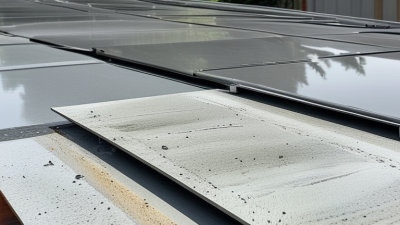
Tip: Confirm the steel thickness before comparing prices. The stated 0.40–0.50 mm should describe the base steel, not the painted surface or coating layers. EN 10346 specifies how coated steel products are classified and tested. A digital micrometer should record several points, including tile edges and the center. Thin edges can reveal careless production. I have seen attractive tiles fail because buyers trusted labels without testing.

Tip: Check AZ150 documentation carefully. AZ150 means at least 150 g/m² of aluminium-zinc coating across both sides, according to EN 10346 classifications. Industry guidance from the International Zinc Association notes that this mass commonly equals roughly 20 micrometres per side, depending on coating composition. Ask for a mill certificate, coating-mass results, and batch identification. Do not accept “aluminium-zinc coated” as enough evidence.

Tip: Inspect the delivery, too. Look for exposed steel, uneven granules, sharp cut marks, and damaged corners. Technical guidance from the GalvInfo Center stresses that cut edges and scratches deserve additional corrosion attention. A 0.50 mm tile is not automatically better than a 0.40 mm tile. Forming quality, coating consistency, and installation support also matter. This is where many buyers become overconfident. Ask for independent verification when documents seem incomplete.

10 Tips for Buying Stone Coated Tiles - Verify 0.40–0.50 mm Steel and AZ150 Al-Zn Coating Specifications

No. Buying Check Recommended Specification or Benchmark How to Verify Why It Matters
1 Base steel thickness 0.40–0.50 mm nominal steel thickness before or according to the agreed measurement method. Request the mill test certificate and measure several points with a calibrated micrometer. Confirm whether the stated value excludes or includes metallic coating and paint layers. Thickness affects panel stiffness, handling strength, wind resistance, and expected service performance.
2 Al-Zn coating mass AZ150, meaning a total aluminum-zinc coating mass of approximately 150 g/m² on both sides combined. Check the certificate for the AZ classification and coating mass. For independent confirmation, use a recognized gravimetric or X-ray fluorescence test through a qualified laboratory. The metallic coating protects the steel from corrosion; a higher coating mass generally provides a stronger corrosion-protection reserve.
3 Steel grade and standard Use a clearly identified structural quality steel grade and an applicable standard, such as EN 10346 or an equivalent national standard. Verify the grade, yield strength, tensile strength, elongation, and applicable standard on the material certificate. A documented steel grade helps confirm consistent forming performance and reduces the risk of brittle or weak panels.
4 Panel dimensions and coverage Confirm overall length and width, profile geometry, side-lap arrangement, and the effective cover area per panel after overlapping. Compare approved drawings with random sample measurements. Calculate the number of panels required using effective coverage, not overall panel size. Accurate coverage calculations prevent material shortages, excessive waste, and installation delays.
5 Stone granule surface Granules should be evenly distributed, firmly embedded, and free from exposed bare steel, obvious bald spots, excessive dust, or loose particles. Inspect samples under bright light, gently brush the surface, and check edges, overlaps, bends, and cut areas for adhesion defects. Uniform granules improve appearance, surface durability, and resistance to weathering and ultraviolet exposure.
6 Paint and protective layers Confirm the specified primer, acrylic or other resin binder, topcoat, and back-coating system, including the agreed dry-film thickness or performance requirement. Request the coating system in writing and inspect for pinholes, blistering, cracking, peeling, and uncoated cut edges. The coating system helps protect the metallic layer and bonds the stone granules to the steel substrate.
7 Profile accuracy and flatness Ribs, interlocks, bends, and overlaps should match the approved profile drawing without visible twisting, warping, or inconsistent forming. Place samples on a flat surface, compare them with the approved template, and test several panels from different production batches. Consistent geometry supports watertight overlaps and reduces installation problems.
8 Fasteners and installation details Use corrosion-compatible self-drilling roofing screws with sealing washers and follow the required fixing pattern for the roof structure and local wind conditions. Request the installation manual and confirm screw material, washer type, lap direction, cutting method, and minimum roof slope. Correct installation is essential for leak prevention, resistance to wind uplift, and long-term durability.
9 Performance and testing documents Obtain relevant test reports for corrosion resistance, coating adhesion, accelerated weathering, water tightness, and wind or mechanical performance where required. Check the laboratory name, test method, sample description, test date, and whether the report applies to the same construction and coating system. Independent, traceable testing provides stronger evidence than general marketing claims.
10 Inspection, packaging, and warranty Agree on pre-shipment inspection, batch traceability, packaging protection, replacement terms, and a written warranty covering defined defects and conditions. Record bundle numbers, production dates, quantities, photographs, inspection results, and delivery damage before acceptance. Clear documentation makes quality claims easier to verify and protects the buyer during delivery and installation.

Note: Confirm all tolerances, test methods, roof-slope requirements, and installation specifications against the applicable local building code and the project’s approved technical documents.

Compare Coverage, Dimensions, and Typical Weight of 6–7 kg/m²

10 Tips for Buying Stone Coated Tiles

Compare Coverage, Dimensions, and Typical Weight of 6–7 kg/m²

When buying stone coated tiles, compare effective coverage, not only the advertised size. A panel may measure about 1,340 by 420 millimeters, yet overlaps can reduce usable coverage. Ask for the installed coverage per tile. Small differences matter across a large roof.

Measure the roof area twice. Then add a realistic allowance for cutting and waste. Complex hips, valleys, and skylights usually need more spare material. Check the tile profile, overlap depth, fixing points, and recommended batten spacing. A longer tile may cover faster, but it can be harder to handle on narrow slopes. I once underestimated valley waste on a renovation. The calculation looked correct on paper.

Weight also deserves careful comparison. Many stone coated systems fall near 6–7 kg/m², but actual figures can change with the base metal, coating, and tile profile. Request the product’s tested weight, dimensions, coating specification, and tolerance range. Do not compare one tile’s weight with another tile’s weight without checking coverage. A thicker coating may improve surface protection, while added texture can slightly affect mass. Confirm that the roof structure can support the selected system, especially on older buildings. Ask how edges, ridges, and penetrations are finished. These details often reveal quality more clearly than a showroom sample.

10 Tips for Buying Stone Coated Tiles: Coverage, Dimensions, and Typical Weight

The chart compares common non-branded stone-coated tile formats. Effective coverage is calculated from representative installed dimensions after allowing for typical overlaps, while the typical installed weight is shown as 6–7 kg/m², with 6.5 kg/m² used as the midpoint. Always verify final dimensions, laps, and loading requirements in the product technical sheet.

Check Stone Granule Adhesion and UV Resistance with ASTM D3359 Tests

When buying stone coated tiles, inspect the surface before admiring its color. Ask for ASTM D3359 adhesion results, not only a glossy sample. This test uses a crosshatch cut, pressure-sensitive tape, and a controlled peel. The rating shows how firmly the coating stays attached. Higher ratings are generally preferable, but the report must identify the coating system and substrate. A loose-looking granule is a warning. Look closely.

UV resistance requires more careful questioning. ASTM D3359 does not directly measure sunlight durability. It measures adhesion. A credible evaluation exposes coated panels to specified UV and moisture cycles, then repeats adhesion testing. Ask for exposure duration, lamp conditions, cycle settings, and rating changes. Outdoor color retention and granule loss are different performance issues. They need separate evidence. In my inspections, samples with strong initial adhesion sometimes weakened after weathering. That detail is easy to miss.

Compare tiles from the same production batch when possible. Rub a dry corner lightly with a clean cloth, then examine the cloth for loose granules. This is not a laboratory result, but it can reveal poor handling or curing. Request test dates, specimen photographs, and an independent laboratory signature. Be cautious with vague claims such as UV proof. No roof is untouched by sun, rain, dust, and thermal movement. Check flashing edges and cut areas too. My own early mistake was trusting a perfect sample. Real roofs are less forgiving. Choose documented performance over attractive marketing language.

Review Wind, Fire, and Corrosion Ratings in ASTM or EN Reports

When buying stone coated tiles, treat wind, fire, and corrosion ratings as decision points, not decorative numbers. Request the complete ASTM or EN test report, not only a sales sheet. Check the tested tile thickness, coating layers, fasteners, roof slope, and installation method. A rating applies to the tested assembly. It may not cover a different underlayment or fixing pattern.

For wind resistance, look for uplift pressure, direction, and edge-zone requirements. Roof corners often experience stronger suction than central areas. A coastal house may need tighter fastening and carefully sealed penetrations. Fire reports should identify the exposure type and classification. Ask whether the test considered external flame, burning embers, or radiant heat. These details matter during dry, windy weather. Fire language can sound reassuring while remaining incomplete.

Corrosion data deserves equal attention near saltwater, factories, or roads using winter de-icing chemicals. Review the test duration, salt concentration, cut-edge treatment, and visible damage criteria. ASTM and EN methods can differ, so do not compare letters or numbers blindly. Ask an engineer or qualified installer to interpret borderline results. Keep copies of the reports, installation instructions, and batch information. Small omissions can become expensive.

I would also inspect sample tiles under bright light, especially around bends and fastener holes. Reports are valuable, but real roofs face dust, scratches, poor drainage, and careless handling. A perfect laboratory result cannot repair a weak installation.