Best Silicone Prosthetic Adhesive for Durability and Comfort?
Choosing the right Silicone Prosthetic Adhesive is essential for comfort and longevity. Many users face challenges with adhesives. Some products offer durability but lack comfort. Others may feel great, yet don’t last long. This balance is crucial.
A reliable Silicone Prosthetic Adhesive should enhance the wearer's experience. Consider factors like skin sensitivity and ease of application. Many wearers have shared experiences of irritation or discomfort with certain brands. It’s important to test various options. What works for one individual may not work for another.
User reviews and expert opinions play a key role in finding the best adhesive. Many factors influence the effectiveness, including temperature and skin condition. Sometimes, a perfect solution may not exist. Reflecting on personal experiences can lead to better choices in the future. Prioritizing both comfort and durability is vital for an optimal prosthetic experience.

Understanding Silicone Prosthetic Adhesives: An Overview
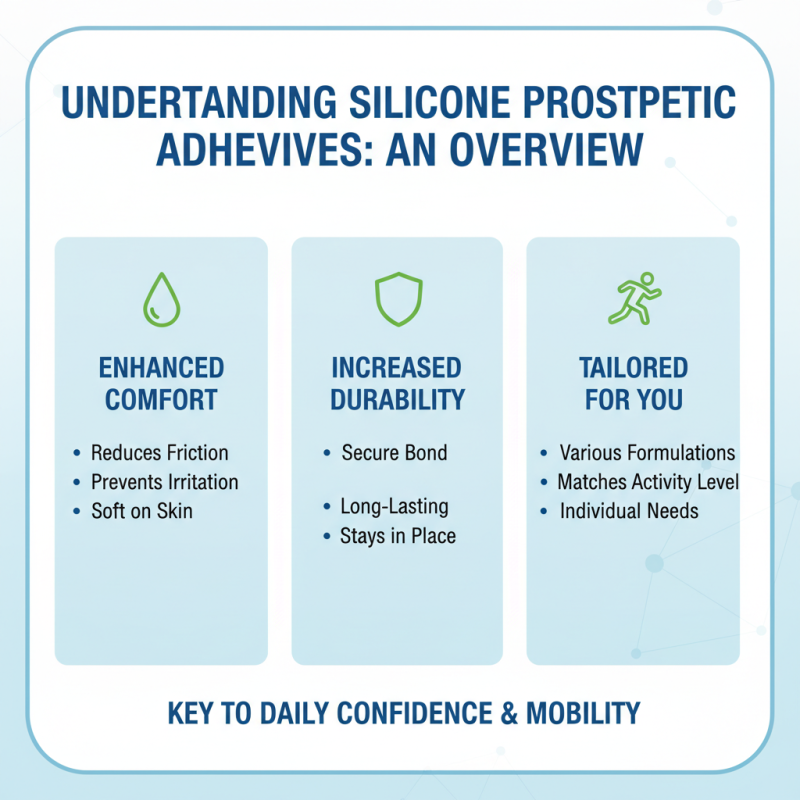
Silicone prosthetic adhesives play a crucial role in enhancing the comfort and durability of prosthetics. These adhesives come in various formulations tailored to individual needs. They provide a secure bond between the silicone prosthetic and the skin, minimizing the chance of friction and irritation. A well-chosen adhesive can make a significant difference in daily wear, especially for those who are active.
Understanding the components of these adhesives is important. High-quality silicone adhesives are flexible and breathable. They allow for natural movement while ensuring the prosthetic stays in place. Some users, however, may find the adhesion can vary based on skin type or temperature. This variability can create challenges. A thicker layer might lead to discomfort, while too little may not hold.
Many users report a learning curve when finding the right product. Testing different adhesives helps in identifying what works best. Not all solutions provide the same level of comfort or durability. Some might bond well but lose effectiveness over time. Staying informed about new advancements in adhesive technology is key. Continuous exploration can lead to improved experiences for prosthetic users.
Key Features to Look for in Prosthetic Adhesives
When choosing a silicone prosthetic adhesive, durability and comfort are key. Look for an adhesive that provides a secure hold yet offers flexibility. This comfort is essential for daily wear. Consider adhesives designed to be waterproof. They better withstand moisture without losing their grip.
Another important feature is skin sensitivity. Many adhesives contain materials that can irritate the skin. Selecting hypoallergenic options reduces this risk and enhances comfort. Ease of application matters too. A product that applies smoothly without excess effort saves time and frustration.
Finally, consider the drying time. Fast-drying adhesives can be convenient, but they may not allow for adjustments. A balance between drying time and adjustability is crucial. User reviews can provide insights but may not always reflect your experience. Keep in mind the need to test different options to find the ideal match for your needs.
Comparing Durability of Leading Silicone Adhesives
When comparing the durability of silicone prosthetic adhesives, it is crucial to consider factors such as bond strength, skin compatibility, and resistance to moisture. According to a study published in the Journal of Prosthetic Research, leading silicone adhesives exhibit varying levels of performance in real-world conditions. The study revealed that some adhesives maintained their bond for over 48 hours even in humid environments, while others failed after just 24 hours of exposure.
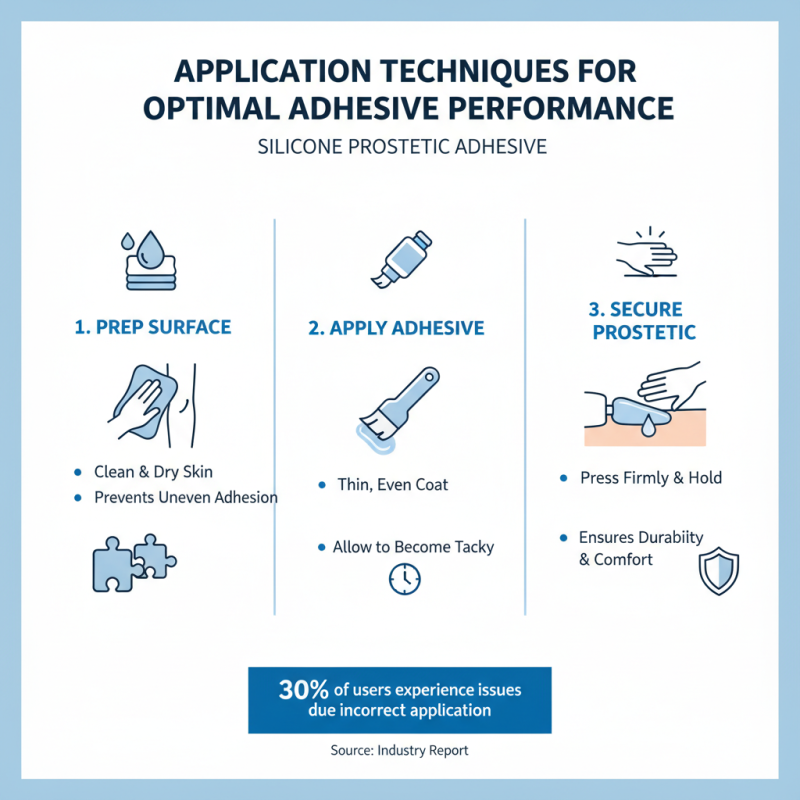
Skin compatibility is another critical aspect. A survey conducted by the International Journal of Dermatological Sciences highlighted that up to 30% of users experience skin irritation with certain adhesives. This creates a burden for long-term wear. The data emphasizes the need for adhesives that not only bond strongly but also prioritize comfort and skin health. Users are frequently caught between choosing an adhesive with superior durability and one that feels comfortable.
In practice, the effectiveness of silicone adhesives can fluctuate significantly. Many users report dissatisfaction when products fail to hold up as expected. The need for further research on formulations is evident. Future innovations could enhance both durability and comfort, leading to more satisfied users. Exploring new materials and technology may bridge the gaps we currently face.
Best Silicone Prosthetic Adhesive for Durability and Comfort
Assessing Comfort Levels in Silicone Prosthetic Adhesives
When choosing a silicone prosthetic adhesive, comfort is paramount. Many users report skin reactions and irritation when adhesives are improperly selected. It's vital to understand how different adhesives interact with your skin type and prosthetic material. Sensitivity can vary, and a product that works for one person may not suit another.
Conducting a patch test before full application is highly recommended. This can help identify potential allergic reactions. Additionally, ensure the adhesive is breathable. A breathable adhesive can minimize moisture buildup. This can enhance comfort during extended wear.
Tips for enhancing comfort with silicone prosthetic adhesives include cleaning the adhesive area thoroughly. Dirt and oils can affect adhesion and comfort. Also, consider using a barrier film for sensitive skin. This layer can provide extra protection and reduce irritation. Regularly review your choice of adhesive. What works today may not be effective tomorrow. Proper evaluation can lead to better comfort and durability over time.