How to Choose the Best Metal Shingles for Your Home?
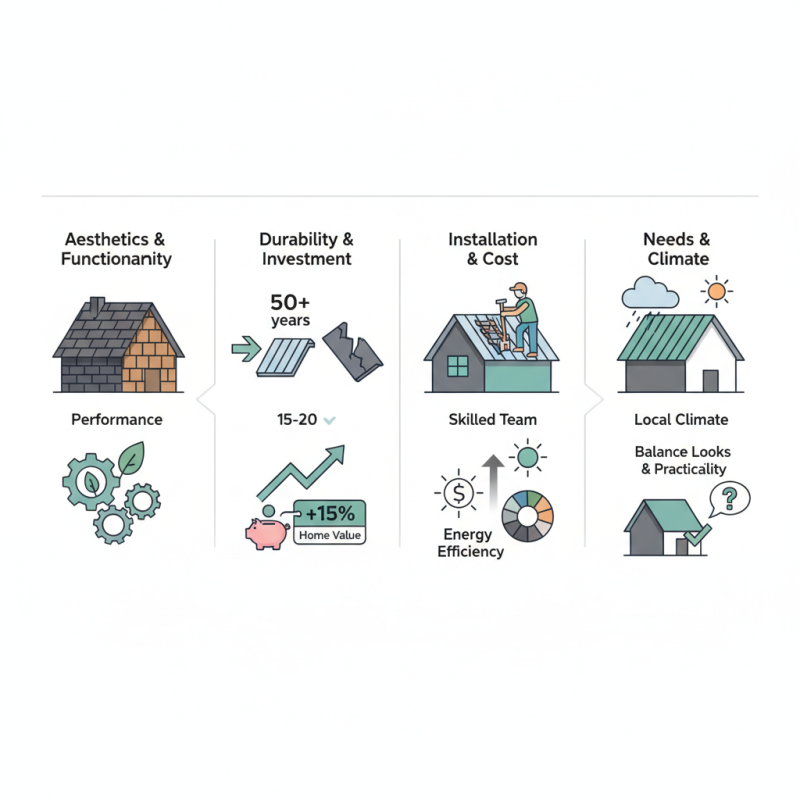
Choosing the best metal shingles for your home involves understanding both aesthetics and functionality. Research by the Metal Roofing Alliance shows that metal roofs, including metal shingles, can last over 50 years. This durability is impressive compared to traditional asphalt shingles, which typically last only 15-20 years.
Metal shingles offer a range of styles, mimicking slate and wood while providing superior performance. With recent statistics indicating a 15% increase in home resale value for properties with metal roofing, they present a smart investment. However, potential buyers must consider installation costs that can be higher than other materials.
It's important to reflect on your specific needs and local climate. Metal shingles may require a more skilled installation team, which can add to the cost. Additionally, the color choices can significantly affect energy efficiency. Some homeowners may find they love a particular style but struggle with practicality during extreme weather. Balancing looks and functionality is key in your decision-making process.
Understanding Different Types of Metal Shingles Available in the Market
When selecting metal shingles, it is crucial to understand the various types available. There are several options in the market. Standing seam metal shingles are known for their sleek design. They interlock and provide a modern aesthetic. These shingles are durable and can withstand harsh weather conditions. Many homeowners appreciate their longevity.
Another popular choice is metal slate shingles. They mimic the look of traditional slate. Metal slate combines beauty with practicality. It's lightweight and easy to install. Some might find the cost higher than other materials, prompting deeper consideration. Additionally, there are shingles that resemble wood shakes. These offer a rustic charm while being fire-resistant.
Copper metal shingles are a unique choice. They develop a beautiful patina over time. However, this evolving color may not appeal to everyone. Reflecting on personal tastes and home architecture is essential. Each type of metal shingle brings specific advantages and drawbacks. Exploring these differences helps in making an informed decision.
How to Choose the Best Metal Shingles for Your Home? - Understanding Different Types of Metal Shingles Available in the Market
| Type of Metal Shingle |
Material |
Weight (per sq. ft.) |
Lifespan |
Cost Range (per sq. ft.) |
| Vertical Seam |
Steel/Aluminum |
1.0 - 1.5 lbs |
50+ years |
$5 - $7 |
| ProfiTile |
Copper/Steel |
1.2 - 1.8 lbs |
40 - 50 years |
$4 - $6 |
| Shingle Panel |
Steel |
1.5 - 2.0 lbs |
30 - 50 years |
$3 - $5 |
| Tile System |
Aluminum |
1.0 - 1.5 lbs |
50+ years |
$7 - $10 |
| Snap-Lock Panels |
Steel |
1.2 - 1.6 lbs |
40+ years |
$5 - $8 |
Evaluating Your Home's Architectural Style for Metal Shingle Compatibility
When evaluating your home’s architectural style, metal shingles can offer unique benefits. Many designers recommend that roofing materials align with the overall aesthetic. For instance, a historical home might clash with modern metal shingles. According to the Metal Roofing Alliance, homes with compatible roofing styles can maintain higher property values—up to 6% more than mismatched styles.
Different architectural styles require different roofing solutions. A traditional home often fits well with slate or tile look-alike metal shingles. Conversely, contemporary designs can showcase sleek, minimalist metal profiles. Over the years, reports indicate that homeowners have shifted preferences. Nearly 20% have chosen metal for its durability and style. However, some still overlook the importance of cohesion in design. Incompatibility can lead to aesthetic dissonance, impacting the overall appeal of a home.
Every home tells a story through its design. If the roofing does not complement the architecture, that story can become confusing. It’s essential to examine how metal shingles will integrate with your existing structure. Assess the shapes, colors, and textures already present. Even slight variations can make a significant difference, sometimes in unexpected ways. The right choice ensures your home remains inviting and visually pleasing without sacrificing quality.
How to Choose the Best Metal Shingles for Your Home?
This bar chart displays the compatibility of different metal shingle styles with various architectural styles commonly found in homes. The rating is based on a scale from 1 to 10, where 10 indicates excellent compatibility.
Assessing Durability and Maintenance Needs of Metal Shingles
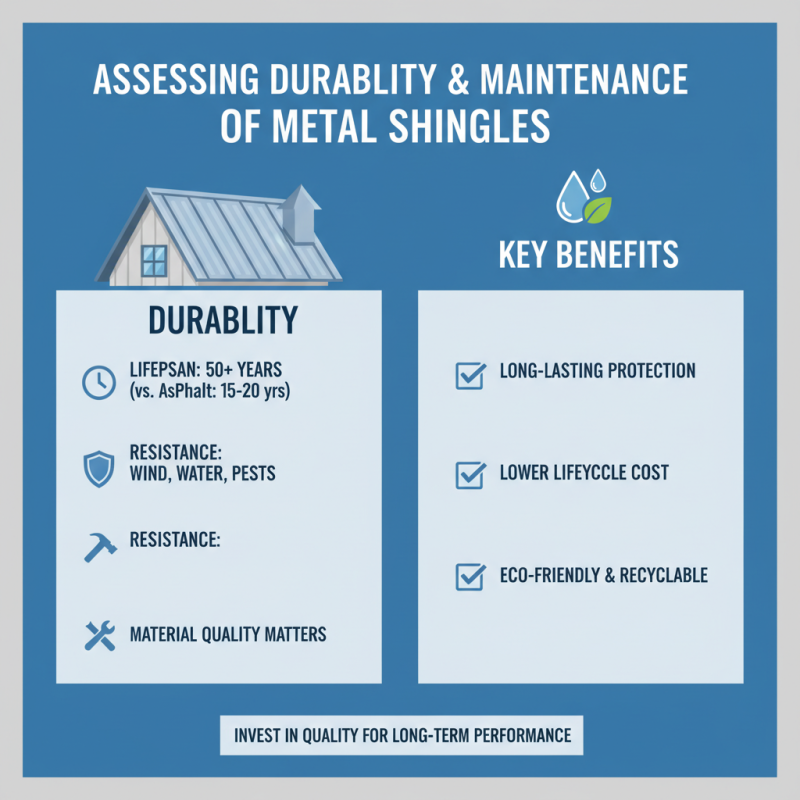
When considering metal shingles for your home, durability is crucial. Studies show that metal roofing can last over 50 years, far exceeding asphalt shingles, which typically last 15 to 20 years. Metal roofs resist wind, water, and pests more effectively than many other materials. However, it's important to note that not all metal shingles are created equal. The quality of the material plays a significant role in long-term performance.
Maintenance is another factor to assess. Generally, metal roofs require less upkeep than traditional options. Regular inspections and occasional cleaning are usually sufficient. However, homeowners should be aware of potential corrosion. Areas with high humidity or salt exposure may require additional protective coatings. Just 20% of homeowners correctly identify the need for such measures, reflecting a gap in understanding maintenance requirements.
Cost is often a concern as well. Metal shingles can be more expensive upfront than other materials. Yet, they save money in the long run due to longevity and energy efficiency. According to industry reports, energy-efficient metal roofs can lower cooling costs by 25%. Ultimately, the right choice depends on balancing initial investment with long-term savings and durability needs. Each home is unique, and what works best may not be obvious at first glance.
Considerations for Energy Efficiency and Insulation Properties
When selecting metal shingles for your home, energy efficiency is crucial. Metal roofs reflect solar energy, reducing heat transfer. According to the Cool Roof Rating Council, reflective metal shingles can lower attic temperatures by up to 30%. This is significant, especially in hot climates. With lower energy bills, homeowners save money year-round. Choosing shingles with a high solar reflectance index (SRI) is wise.
Insulation properties also matter. Some metal shingles come with built-in insulation. This can help maintain consistent indoor temperatures. For example, reports show that insulated metal roofs can increase energy savings by approximately 20-30%. However, proper installation is key. Poor insulation choices can lead to heat loss and mold growth.
Tips: Look for shingles labeled with ENERGY STAR ratings. This ensures they meet energy efficiency standards. Consider combining metal roofing with additional insulation. This maximizes your energy savings. Research your local climate and adjust your choices accordingly. An informed decision leads to better comfort and savings.
Budgeting for Metal Shingle Installation and Long-term Costs
When budgeting for metal shingle installation, consider both
initial and
long-term costs. Metal shingles can have a higher
upfront cost compared to traditional materials. However, their durability may save money over time. They usually
last 40-70 years, which is longer than asphalt.
This longevity means fewer replacement costs for homeowners.
Tips: Get multiple quotes from local contractors. This will help you find a fair price.
Also, consider the installation complexity. If additional structural work is needed,
costs will rise. Regular maintenance can also be minimal with metal shingles, but neglecting it may lead to issues.
Always factor in potential repair costs. While metal shingles are robust, they can still be
damaged by severe weather or impact. Budget for occasional maintenance checks. This helps in extending
the lifespan and overall functionality. Saving a little each month can
prepare you for unexpected repairs down the line.