How to Choose the Best Stone Coated Tiles for Your Projects?
When embarking on a building project, the choice of materials is crucial. Stone Coated Tiles are an attractive option due to their durability and aesthetic appeal. These tiles mimic the appearance of natural stone while providing additional benefits. They are lightweight and easy to install, making them a popular choice among contractors and homeowners alike.
Selecting the right Stone Coated Tiles requires careful consideration. Factors such as color, texture, and finish can significantly impact the overall look of a project. It's essential to research various styles and brands to ensure quality and reliability. Some tiles may not withstand harsh weather conditions as well as others, which is an important factor to keep in mind.
In the end, choosing Stone Coated Tiles is not just a matter of appearance. It involves a balance of functionality, cost, and aesthetics. There may be challenges in sourcing the right tiles, and not all suppliers offer consistent quality. Reflecting on these factors can lead to better decision-making and ultimately, a more satisfying project outcome.
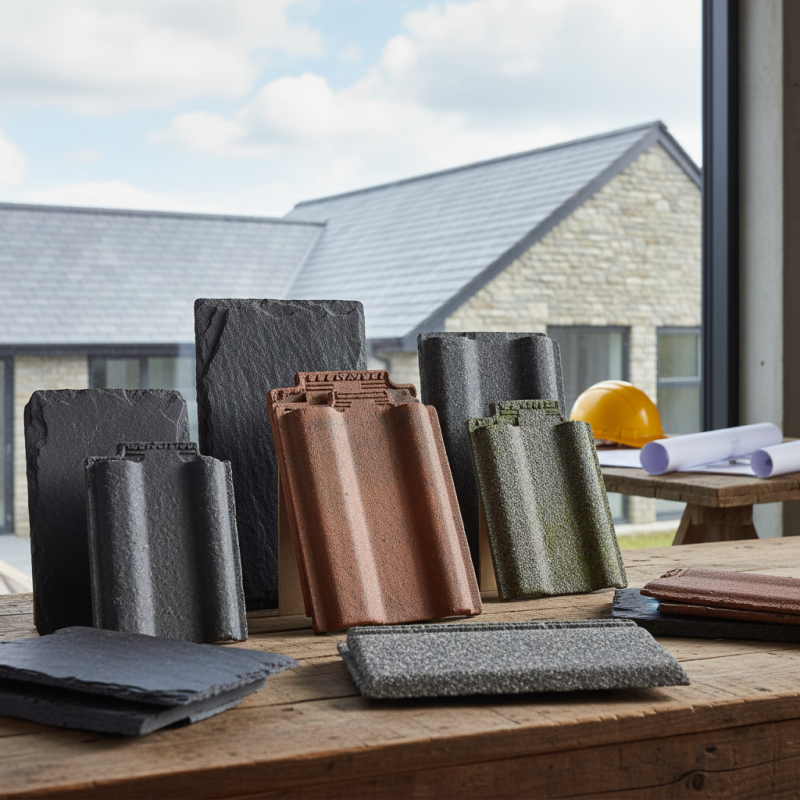
Understanding Stone Coated Tiles: An Overview
Stone coated tiles are gaining popularity for both residential and commercial projects. These tiles feature a layer of real stone, providing a natural appearance along with added durability. They resist harsh weather and offer excellent thermal performance. However, their value may vary based on installation methods and regional climate considerations. Proper knowledge about the product is crucial in making informed choices.
Understanding the composition of stone coated tiles is essential. They usually consist of a metal base coated with an intricate layer of stone granules. This unique structure enhances their durability and aesthetic appeal. When selecting tiles, consider factors like local weather conditions and the surrounding environment. In certain areas, the color might fade over time if exposed to extreme sunlight. Therefore, choosing the right finish is pivotal.
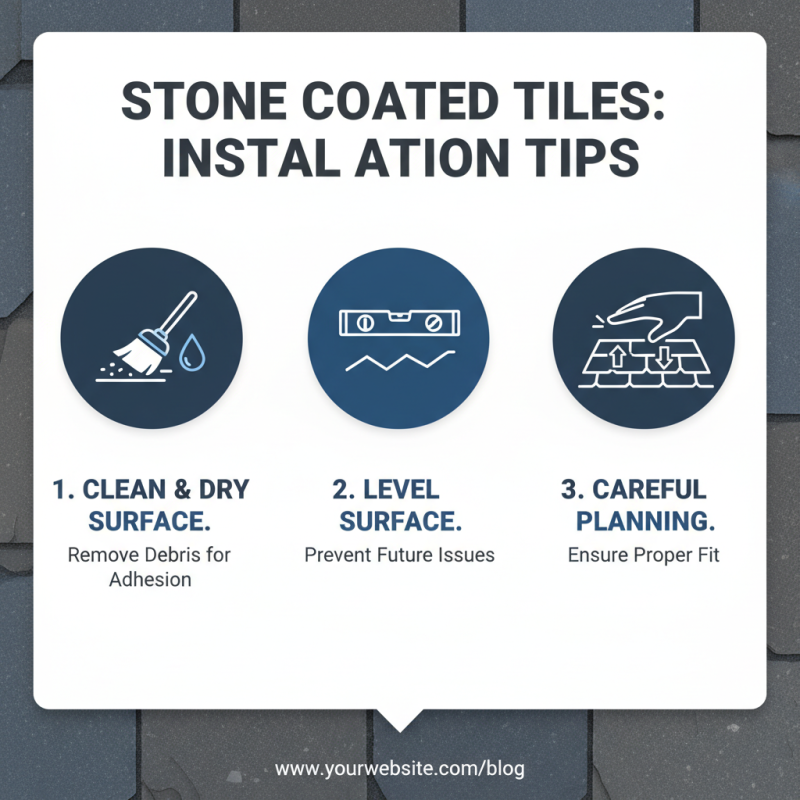
Another aspect to reflect on is installation. While stone coated tiles can be less labor-intensive, improper installation can lead to serious issues. Hiring skilled professionals ensures a correct fit and seal. However, even the best products are not immune to flaws. Periodic maintenance must be accounted for, as natural elements may affect tile integrity over the years. Selecting the best tiles requires thoughtful consideration of these factors for a successful project.
How to Choose the Best Stone Coated Tiles for Your Projects?
| Tile Type |
Thickness (mm) |
Weight (kg/sqm) |
Color Options |
Warranty Period (Years) |
Price Range ($/sqm) |
| Classic Tile |
0.5 |
8 |
Black, Grey, Brown |
25 |
20 - 30 |
| Metallic Tile |
0.6 |
9 |
Silver, Graphite |
30 |
25 - 35 |
| Slate Tile |
0.7 |
10 |
Green, Blue, Black |
20 |
30 - 40 |
| Natural Tile |
0.4 |
7 |
Brown, Red, Tan |
15 |
15 - 25 |
Evaluating Different Types of Stone Coated Tiles
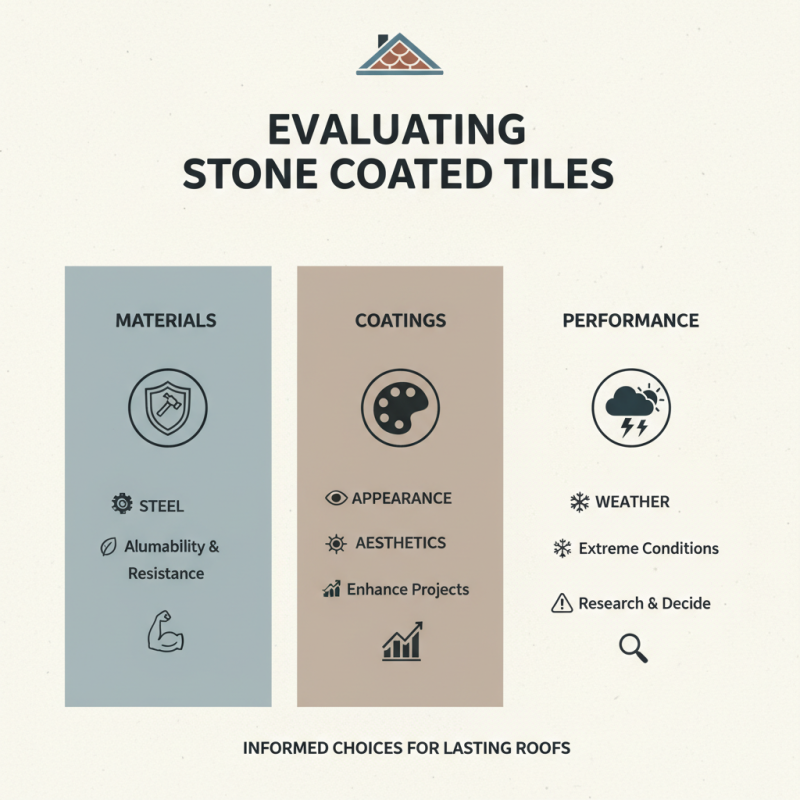
When evaluating different types of stone-coated tiles, consider the materials used in their construction. Common choices include steel and aluminum, both offering durability and resistance to the elements. Different coatings can impact their appearance, so explore options that enhance your project’s aesthetic. Be aware that not all tiles will hold up under extreme weather conditions. Researching each type will help you make informed decisions.
Another crucial aspect is the tile's weight. Heavier tiles may require additional support, impacting installation costs. Lighter tiles offer ease but may not have the same longevity. Additionally, look for any certifications or tests that indicate performance standards. Some tiles will perform better in specific climates than others, so understanding your environment is key.
Lastly, think about installation methods. Some stone-coated tiles are easier to install, saving both time and labor costs. Others may need a professional touch, which can add to your budget. Choosing the right tiles involves weighing these factors carefully. Mistakes in selection can lead to challenges down the road, such as higher maintenance costs or premature replacement.
Factors to Consider When Selecting Stone Coated Tiles
When choosing stone-coated tiles, several factors come into play. One essential element is durability. Research shows that high-quality stone-coated tiles can last upwards of 50 years. This longevity reduces the frequency of replacements, offering long-term cost savings.
Another critical factor is climate adaptability. Different areas face varied weather conditions. Tile performance can differ in harsh climates. Accumulated moisture can cause issues like cracking or peeling. Always check tiles’ resistance to extreme temperatures and moisture.
**Tip:** Always conduct a local climate assessment before selection.
Aesthetic appeal shouldn't be ignored. Stone-coated tiles offer many colors and textures. This variety allows homeowners to customize their spaces. A 2022 report indicated that 70% of homeowners prioritize aesthetics in building materials.
**Tip:** Look for samples before making a final decision.
Choosing the right stone-coated tiles requires careful consideration. Many options exist, and not all will fit specific project needs. Spending time researching can yield significant benefits in the long run.
Factors Affecting the Selection of Stone Coated Tiles
Comparing Costs and Durability of Stone Coated Tiles
When selecting stone coated tiles, cost and durability are key factors. A recent industry report indicates that stone coated tiles can range from $3 to $7 per square foot. This variance largely depends on the material quality and the manufacturing process. For projects on a budget, understanding the long-term value of these tiles becomes essential. Lower initial costs may lead to increased expenses over time, if durability is compromised.
Durability is one of the strongest features of stone coated tiles. According to experts, these tiles can withstand severe weather conditions, such as heavy rain and strong winds. They are tested for impact resistance and can last 50 years or more. However, not all stone coatings are created equal. Some manufacturers may skimp on the coating thickness, leading to faster wear and tear. It's crucial to compare warranties and durability ratings.
Value and performance should be balanced. While inexpensive options may save upfront costs, they might require frequent repairs or replacements. The idea is to invest wisely, ensuring your choice aligns with long-term project goals. A careful evaluation of costs versus expected lifespan can lead to more informed decisions for your construction projects.