How to Choose the Best Stone Texture Wall Paint for Your Project?
When embarking on a home project that involves wall aesthetics, choosing the right finish is crucial. Stone Texture Wall Paint offers a unique blend of elegance and durability. According to interior design expert, Lisa Grant, “The beauty of stone texture paint lies in its ability to transform ordinary spaces into stunning environments.”
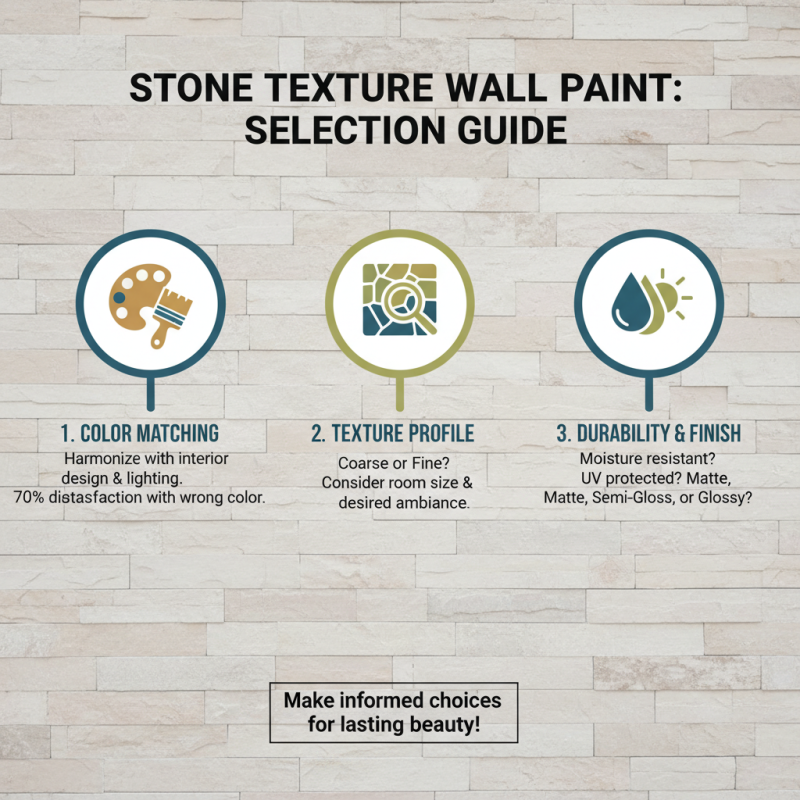
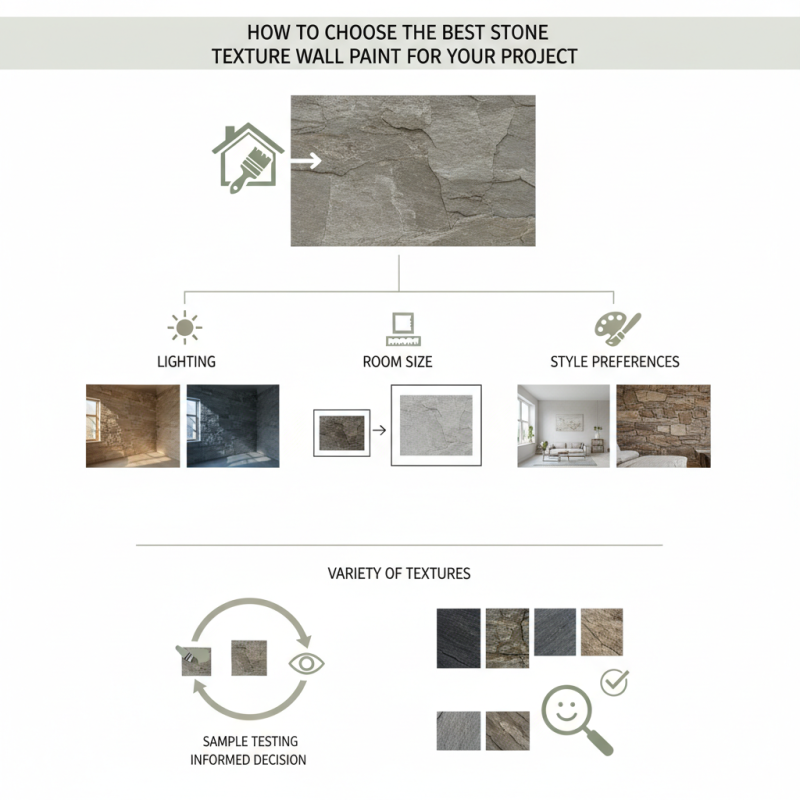
This type of paint mimics natural stone, providing a rich texture that elevates any room. However, selecting the perfect shade and finish can be overwhelming. Factors such as lighting, room size, and style preferences play significant roles in how the paint appears in your space. While stone textures can add depth, they require careful consideration to ensure they complement your overall design vision.
Many overlook the importance of sample testing. Even the most promising colors can look different on your walls than in the store. While the allure of stone finishes is undeniable, be prepared for some trial and error. Understanding how to navigate these challenges is essential in making an informed decision about your Stone Texture Wall Paint.
Understanding the Different Types of Stone Texture Wall Paints
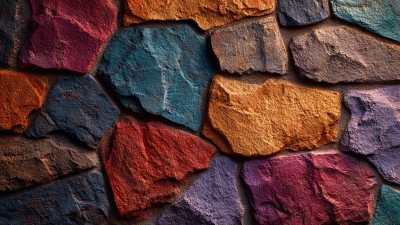
When considering stone texture wall paints, it’s essential to understand the various types available. These paints vary in texture, color, and finish, each offering unique aesthetic qualities. Some paints mimic natural stone, while others provide a more stylized look. For example, a rough finish can give a rustic appearance, while a smooth stone texture may offer a modern twist.
Choosing the right texture can be challenging. Factors like lighting, room size, and existing decor should influence your choice. Test samples on your wall to see how they interact with natural light. It's vital to observe the paint under different lighting conditions throughout the day.
Tips: When selecting your stone texture paint, consider the room’s function. A durable, washable option is ideal for high-traffic areas. For less-used spaces, a lighter texture may suffice, allowing for easy maintenance. Always keep in mind the overall atmosphere you wish to create with your selected finish. Experimenting with multiple textures can lead to unexpected yet delightful outcomes.
Tips for Testing Paint Samples on Your Wall
When choosing a wall paint with a stone texture, testing samples is essential. The application process allows for a better understanding of how the texture fits with your space. According to the National Paint and Coatings Association, over 70% of homeowners prefer paint samples before making final decisions. Sampling has a significant impact on satisfaction rates post-application.
To effectively test paint samples, apply them directly to your wall. Choose a section that receives both natural and artificial light. Observe how the texture changes throughout the day. Color can appear different based on the light, potentially impacting your choice. Research indicates that 80% of color discrepancies occur under varying lighting conditions.
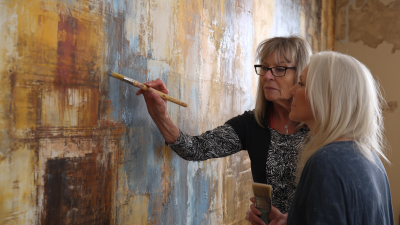
Use a small brush to apply the sample, ensuring it matches the intended surface. This method will give you a clear view of the final outcome. Reflect on how each sample interacts with your room's elements, like furniture and decor. Keep an open mind; not every choice may work as expected. Consider how texture can add depth while also requiring maintenance. This balance is crucial for long-term satisfaction.
How to Choose the Best Stone Texture Wall Paint for Your Project? - Tips for Testing Paint Samples on Your Wall
| Dimension |
Description |
Testing Technique |
Evaluation Criteria |
| Color |
The hue and vibrancy of the paint. |
Apply samples on a small wall section under different lighting. |
Look for consistency in color and overall appearance. |
| Texture |
The feel and visual pattern of the paint. |
Apply multiple layers to assess texture depth. |
Evaluate tactile feel and visual appeal. |
| Finish |
The sheen level (matte, satin, gloss). |
Test samples on varying surfaces to see finish effects. |
Check for uniformity and reflection under light. |
| Durability |
Resistance to wear and tear over time. |
Simulate wear with light scrubbing on samples. |
Observe fading or chipping post-testing. |
| Application Method |
Brush, roller, or spray. |
Try different application methods on test areas. |
Check for ease of application and final look. |
How to Coordinate Stone Texture with Existing Decor
Coordinating stone texture wall paint with your existing decor can elevate your space. Begin by assessing your current color scheme. Look for shades that complement your furniture and flooring. A warm stone texture might enhance wooden features, while cooler tones can balance vibrant or dark accents.
Consider the atmosphere you want to create. A rough, textured stone finish can add rustic charm. However, it may clash with sleek, modern furniture. It’s essential to find a balance. Sample paint textures on a small wall section before committing. This allows you to see how different lighting affects the color.
Don’t be afraid to mix materials. For example, stone texture can pair well with metal or glass elements. Reflect on the harmony within your space. If something feels off, reassess your choices. It’s okay to experiment. Sometimes, the best results come from a little trial and error. Take your time to create a cohesive look.
Stone Texture Wall Paint Color Preferences