2026 How to Choose Exterior Faux Stone for Your Projects?
Choosing the right Exterior Faux Stone for your projects can greatly enhance your home's aesthetic. The market offers many options, making choices overwhelming. Understanding your style, budget, and application is essential.
Exterior Faux Stone combines beauty and practicality. It mimics natural stone's texture and color while being lighter and more affordable. However, not every product is created equal. Consider materials and durability for long-term satisfaction.
Reflecting on your needs helps in choosing wisely. What's your project's climate? Will it endure harsh weather? Each decision should align with your vision. Quality faux stone should blend seamlessly with your architecture. Take the time to research and compare products before committing.
Understanding Faux Stone: What It Is and Its Benefits
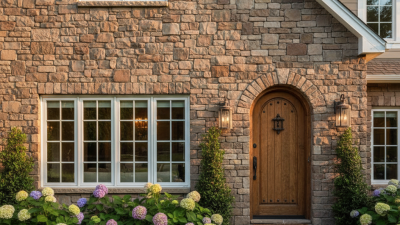
Faux stone has emerged as a popular choice for exterior projects. It mimics the look of natural stone but offers considerable benefits. This material is typically lighter weight, making it easier to install. Unlike real stone, faux options often require less maintenance, saving time and money in the long run. Homeowners can enjoy beautiful aesthetics without the hefty price tag associated with real stone.
The diversity in styles and colors is another significant advantage. Faux stone can adapt to various architectural designs. It's available in textures that resemble granite, marble, and more. This versatility allows for creative freedom in design projects. However, not all faux stone products are created equal. Some may fade or chip over time, so it's crucial to choose wisely. Researching and selecting reputable suppliers can help ensure quality.
Despite the benefits, faux stone isn't without flaws. Some may find it less authentic compared to natural stone. It’s essential to weigh these factors when making a decision. Understanding the materials and their applications helps in generating satisfying results. A thoughtful approach can lead to aesthetic and functional success in your exterior projects.
Types of Faux Stone Materials: A Comprehensive Overview
When it comes to faux stone materials, variety is key. Many options exist, each with unique benefits and drawbacks. Ranging from manufactured options like polyurethane to natural stone veneer, the choices can be overwhelming.
Consider the weight of the material. Lighter options might be easier to install but may not provide the durability you desire. Conversely, heavier materials could require additional support. Think about your project's specific needs. For example, an outdoor patio might benefit from something more robust against the elements.
Tips: Look for materials that simulate stone with realistic textures. This can enhance your project’s aesthetic. Additionally, explore whether the color will fade over time. Maintenance is also crucial. Some faux stones require little upkeep, while others may need periodic cleaning.
Lastly, always check the warranty options. A clear warranty can indicate a manufacturer’s confidence in their product. Understanding the type of faux stone you choose means considering the application, longevity, and style. Each material has its strengths. Reflect on which aligns best with your vision.
Key Factors to Consider When Choosing Faux Stone
Choosing the right exterior faux stone for your projects involves several key factors. Start with your project’s design style. Different stones convey unique aesthetics. For example, some stones look rustic and traditional. Others appear sleek and modern. Visualizing how the stone fits into your overall design will save you time and money.
Next, consider texture and color. Faux stones come in various textures, from smooth to rough. These details are crucial for creating depth. You may want a color that complements your home’s features. Picking the right shade can enhance your property’s curb appeal. Be sure to examine samples in natural light. It’s amazing how colors change under different lighting.
Durability is another essential factor. Not all faux stones have the same lifespan. Research the materials used to create them. Consider factors like weather resistance and maintenance needs. Some products may require regular upkeep. This can lead to frustration down the line. It’s worth weighing the pros and cons of each option before making a decision.
Installation Techniques for Faux Stone: Best Practices
When choosing faux stone for your projects, installation techniques play a crucial role. Proper installation ensures durability and aesthetic appeal. According to industry reports, nearly 70% of faux stone failures stem from improper application. This highlights the importance of best practices.
One tip is to start with a clean wall surface. Dust, dirt, and moisture can weaken the adhesive bond. A thorough cleaning can prevent future issues. Another essential step is to select the right adhesive. Many professionals recommend using polymer-modified mortars for their flexibility and strong bond strength. This choice can make a significant difference in the long run.
Pay attention to temperature and humidity during installation. The ideal conditions are between 50°F and 90°F. Installing faux stone in extreme temperatures can lead to expansion or contraction issues. Finally, use spacers to maintain uniform gaps between stones. This ensures a consistent look while allowing for natural movement. As with any project, attention to detail during installation can prevent costly repairs in the future.
Maintenance Tips for Long-Lasting Faux Stone Exteriors
When considering faux stone exteriors, proper maintenance is key. Regular cleaning is essential to preserving its appearance. Use a gentle solution of soap and water to remove dirt and grime. Avoid harsh chemicals that can damage the surface. Every few months, inspect for signs of wear or damage. Look for cracks or fading that could indicate deeper issues.
Faux stone can be resilient, but it still requires care. If you notice any chips, repair them promptly to prevent further damage. Seasonal changes can impact the material. Harsh winters may cause freezing and thawing, leading to cracks. It's advisable to seal the faux stone every couple of years. This adds a layer of protection against moisture and stains.
In areas with heavy rain or snowfall, consider additional drainage solutions. Water pooling can lead to staining or mold growth. While faux stone offers many benefits, it isn't maintenance-free. Engaging with professionals for periodic check-ups can be beneficial. Their expertise helps catch issues before they escalate. A bit of attention can ensure your faux stone exteriors remain beautiful for years.
2026 How to Choose Exterior Faux Stone for Your Projects? - Maintenance Tips for Long-Lasting Faux Stone Exteriors
| Dimension |
Recommendation |
Maintenance Tips |
| Material Type |
Polyurethane, Polypropylene |
Clean with mild soap and water |
| Color Options |
Neutral tones, Earthy colors |
Use UV resistant sealers |
| Texture |
Rough, Smooth Finishes |
Inspect for cracks and chips |
| Installation Method |
Adhesive, Mechanical Fastening |
Ensure proper drainage to prevent moisture |
| Longevity |
10-25 years |
Regular inspections and touch-ups |