What is Non Toxic Silicone Glue and Why Choose It?
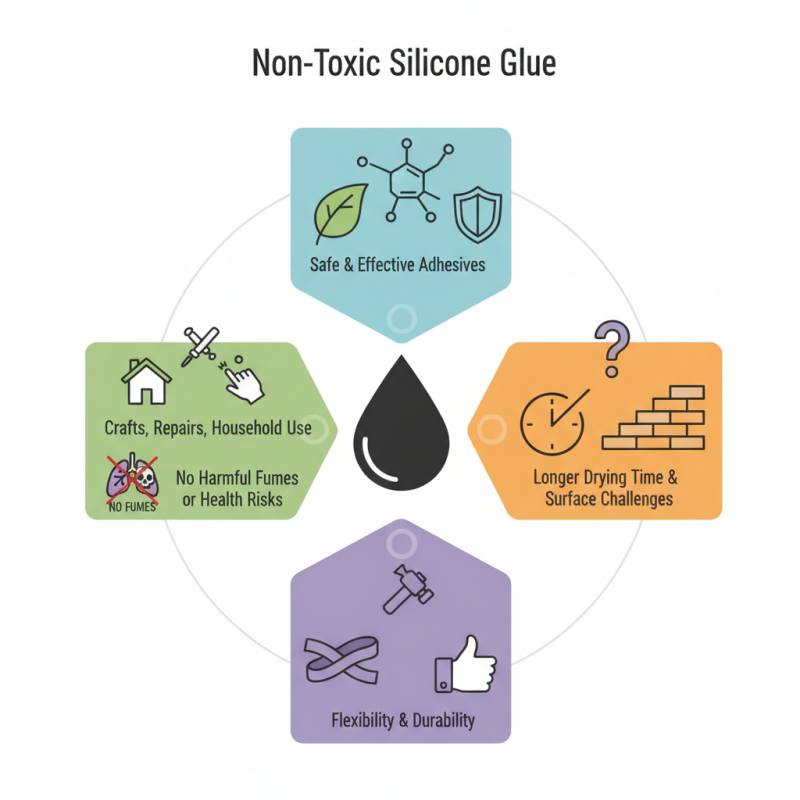
In today's world, the demand for safe and effective adhesives is rising. Non Toxic Silicone Glue has emerged as a reliable option. It is safe for various applications, including crafts and household repairs. This type of glue is particularly appealing to those who prioritize health and safety.
Many people seek alternatives to traditional adhesives. They want products that do not emit harmful fumes or pose health risks. Non Toxic Silicone Glue is free from toxic chemicals. This makes it suitable for indoor use. Its flexibility and durability add to its benefits.
While it may seem perfect, there are some shortcomings. The drying time can be longer compared to other glues. Users might find it challenging to use on certain surfaces. Understanding these nuances is essential for making informed choices. Choosing Non Toxic Silicone Glue enhances safety without sacrificing quality or performance.
Definition of Non Toxic Silicone Glue
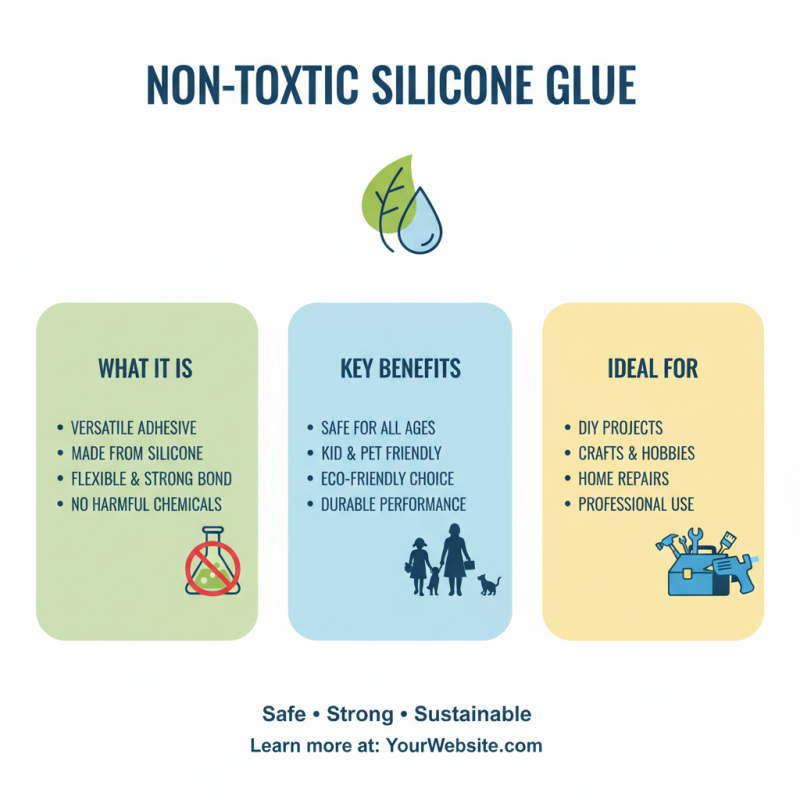
Non-toxic silicone glue is a versatile adhesive suitable for various applications. It is primarily made from silicone, a flexible material that offers strong bonding properties without harmful chemicals. This makes it a safe choice for both DIY projects and professional uses. Non-toxic options are especially beneficial in environments with children or pets, ensuring safety without compromising performance.
Defining non-toxic silicone glue involves understanding its key features. This glue is free from volatile organic compounds (VOCs), making it less harmful to indoor air quality. It adheres well to different materials like wood, glass, and ceramics. Users often appreciate its resistance to water and temperature extremes. However, optimal results depend on surface preparation and curing time, which some may overlook.
When choosing non-toxic silicone glue, individuals should assess their specific needs. The right adhesive enhances project longevity and safety. Not all silicone glues are created equal; some may claim to be non-toxic without clear transparency on their ingredients. It is essential to read labels and verify product claims, ensuring they meet safety expectations. Understanding these nuances can lead to better choices in adhesives, promoting health and sustainability in daily projects.
Key Properties and Benefits of Non Toxic Silicone Glue
Non-toxic silicone glue is gaining popularity due to its unique properties and benefits. It is designed for various applications, making it a versatile choice for both crafts and repairs. One key aspect of this glue is its flexibility. Once cured, it remains elastic and can withstand movement and changes in temperature. This quality is especially beneficial for projects that require durability over time.
Another important characteristic is its resistance to moisture and chemicals. Non-toxic silicone glue adheres well to surfaces while resisting water. This makes it suitable for both indoor and outdoor use. Additionally, it is safe for a range of materials, including wood, glass, and plastics. The absence of harmful chemicals means it is safer for children and pets, enhancing its appeal for family-oriented projects.
While non-toxic silicone glue offers many advantages, it may not bond as quickly as other adhesives. Curing time can vary, which is a crucial factor to consider for time-sensitive tasks. The initial tackiness might be lower as well, requiring more careful handling during the assembly process. A thoughtful approach is essential to achieve desired results, especially for more intricate applications.
What is Non Toxic Silicone Glue and Why Choose It? - Key Properties and Benefits of Non Toxic Silicone Glue
| Property |
Description |
Benefits |
| Non-Toxic |
Formulated without harmful chemicals |
Safe for use in homes and around children and pets |
| Flexibility |
Remains flexible after curing |
Ideal for applications requiring movement or vibration |
| Water-Resistant |
Resistant to moisture and humidity |
Suitable for outdoor and wet environments |
| Temperature Resistance |
Withstands a wide range of temperatures |
Useful in both hot and cold applications |
| Adhesion |
Strong bond to a variety of materials |
Versatile for different projects and substrates |
| Easy to Use |
Simple application and curing process |
Ideal for DIY projects and crafts |
Common Applications of Non Toxic Silicone Glue
Non-toxic silicone glue is gaining popularity for its versatility and safety. Some common applications of this adhesive include home repairs, crafting projects, and automotive repairs. Unlike traditional adhesives, non-toxic silicone glue doesn’t emit harmful fumes. This makes it suitable for indoor use, particularly in children's projects. According to a recent report from the Adhesive and Sealant Council, the demand for non-toxic adhesive solutions has been increasing by 7% annually.
In crafting, this glue works well with various materials, including wood, fabric, and ceramics. It creates a strong bond and is also flexible once cured. For home repairs, homeowners can use it to seal gaps around windows and doors. This helps improve energy efficiency. In automotive applications, it’s used for bonding trims and gaskets.
Tips: Always ensure the surface is clean and dry before applying the glue. This will enhance adhesion and durability. Be mindful that it may take up to 24 hours to cure fully. Patience can yield stronger results. Lastly, although it is non-toxic, using it in a well-ventilated area is always wise to avoid any potential irritation.
Comparison with Other Adhesives: Why Choose Non Toxic Silicone Glue
Non-toxic silicone glue is gaining popularity due to its safety and versatility. Unlike traditional adhesives, non-toxic silicone glue lacks harmful chemicals. This quality makes it ideal for both home and professional use. Recent studies show that over 75% of consumers prefer eco-friendly products. This choice reflects a growing awareness of health and environmental risks associated with conventional adhesives.
When comparing non-toxic silicone glue to other adhesives, several factors stand out. For instance, many standard adhesives can emit volatile organic compounds (VOCs). VOCs are linked to indoor air pollution and respiratory issues. Meanwhile, non-toxic silicone glue typically has low or no VOC content. This feature enhances indoor air quality, making it safer for families and pets. Further research indicates that 40% of adhesive users report adverse effects from conventional glue. Many of them cite allergic reactions or headaches.
Performance is another crucial aspect. Non-toxic silicone glue offers excellent flexibility and adhesion. It can withstand temperature fluctuations and is water-resistant. In terms of durability, silicone glue often outperforms solvent-based alternatives. However, some users find it takes longer to cure compared to quick-drying options. This can be challenging in time-sensitive projects. Striking a balance between safety and efficiency remains a discussion point in the adhesive industry.
Comparison of Adhesive Types: Focus on Non-Toxic Silicone Glue
Safety Considerations and Environmental Impact of Non Toxic Silicone Glue
Non-toxic silicone glue is gaining popularity due to its safety and environmental benefits. It is made without harmful chemicals, making it safer for both humans and pets. This glue can withstand extreme temperatures, moisture, and is less likely to emit toxins after drying. Such qualities make it a preferred choice for crafts, household repairs, and even automotive applications.
Safety is paramount when choosing any adhesive. Non-toxic silicone glue minimizes health risks, especially in confined spaces. By opting for this glue, you reduce your exposure to volatile organic compounds (VOCs). It's essential to always read labels. Even with non-toxic options, verify the safety certifications.
When using any adhesive, consider proper ventilation. This helps in preventing inhalation of any potential irritants. Test the glue on a small area first to check for compatibility. Some materials may not bond well, leading to unexpected results. Lastly, store any leftover glue in a cool, dark place to prolong its shelf life. Choosing non-toxic solutions reflects a commitment to health and sustainability.