Top Tips for Choosing Exterior Faux Stone for Your Home?
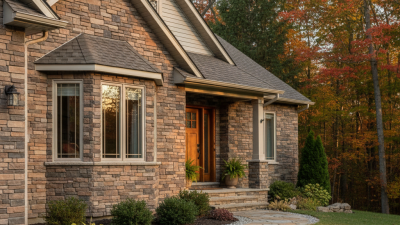
Choosing the right exterior faux stone for your home can feel overwhelming. With numerous options available, it’s crucial to select wisely. Exterior faux stone not only enhances your home's aesthetic but also offers practical benefits. Many homeowners are drawn to its durability and affordability.
Experience and expertise play significant roles in making this choice. Consider factors like texture, color, and installation method. Each product offers unique features that can change the look of your home. A well-chosen exterior faux stone can elevate curb appeal significantly. However, not all options deliver the same quality.
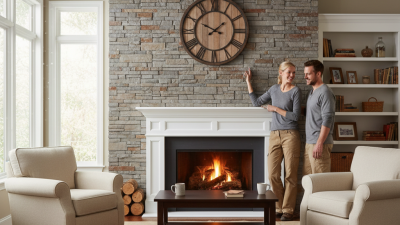
Reflect on your style preferences and climate considerations. Visiting local showrooms can offer insights. It’s essential to weigh how each choice aligns with your vision. Making an informed decision about exterior faux stone can result in a stunning transformation for your home, but it requires thoughtful consideration.
Understanding Faux Stone Materials and Their Benefits
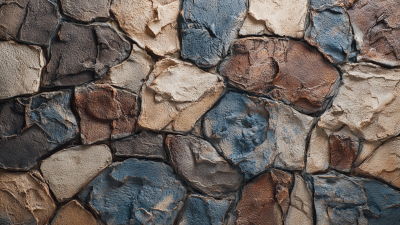
Faux stone materials offer an attractive and cost-effective solution for enhancing your home's exterior. Made from a variety of materials, these products mimic the appearance of natural stone without the hefty price tag. The most common materials include polyurethane, fiberglass, and cement composite. Each has its benefits and drawbacks. For instance, while polyurethane is lightweight and easy to install, it may not be as durable as cement-based options.
Choosing the right faux stone also involves considering climate factors. In areas with extreme weather, you’ll want materials that can withstand temperature fluctuations and moisture. Some faux stones require more maintenance than others. Be prepared to regularly check for wear and tear, as fading can occur over time.
Finally, the aesthetic appeal is crucial. Look for designs that complement your home's style. Sometimes, what looks good in photos might not translate well to your space. Taking time to assess samples is essential to avoid costly mistakes.
Evaluating Different Styles and Colors of Faux Stone
When evaluating different styles and colors of faux stone, it’s essential to consider both
aesthetic appeal and functionality. According to a recent industry report,
70% of homeowners prioritize visual impact when selecting exterior materials.
Faux stone provides various styles, from rustic to modern finishes. A textured surface can create depth
and interest, while smoother options offer a refined look.
Colors play a crucial role in the overall ambiance of your exterior. Earthy tones, like
browns and greys, can enhance
natural surroundings. Conversely, lighter shades may reflect sunlight and keep your home cooler in warmer climates. Research
indicates that homes with appealing color schemes sell 20% faster on the market.
However, selecting colors that clash with the environment can detract from a property’s visual appeal, a point many
homeowners overlook.
Choosing faux stone also invites reflection on durability. Some faux
materials may fade or chip over time. Studies show that quality differs significantly across products, with findings indicating
that 40% of faux stones may not withstand extreme weather conditions. Assessing the longevity of colors and
textures is vital for long-term satisfaction. Balancing style, color, and durability ensures your home remains attractive
while requiring minimal maintenance.
Budgeting for Your Faux Stone Exterior Project
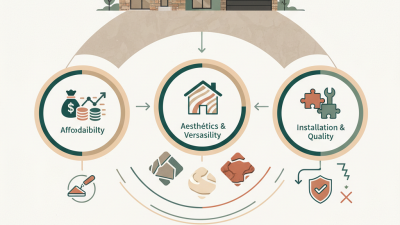
When budgeting for a faux stone exterior project, understanding the costs is crucial. Material prices can range widely. On average, homeowners spend between $5 and $15 per square foot for faux stone. This estimate depends on the type of stone, size of the project, and labor costs. According to a report by the Home Improvement Research Institute, faux stone can significantly lower costs compared to natural stone, which often exceeds $30 per square foot.
It's also essential to account for additional expenses. Installation fees can add 20-30% to the overall budget. Always seek quotes from multiple contractors. This enhances your chances of finding a fair price. Furthermore, you may encounter unexpected costs, such as extra labor for surface preparation. Having a contingency budget of 10-15% can alleviate potential financial surprises.
Quality matters in material selection. Cheaper options can lead to issues down the line, like
durability and maintenance problems. Investing in higher-quality faux stone might save money in the long run. It’s safer to weigh long-term benefits against initial savings. A
balance between quality and budget will deliver lasting value.
Installation Tips for Faux Stone Products
When considering faux stone installation, preparation is key. Begin by choosing the right surface. Make sure it’s clean and dry. Look for any holes or cracks that might affect adhesion. Use a level to confirm the surface is even. This will save time later.
Next, measure twice and cut once. Take accurate measurements of the areas you intend to cover. Use a high-quality saw for flawless cuts. Align the faux stones properly to achieve a natural look. Taking time on these steps reduces mistakes.
Finally, apply the adhesive strategically. A trowel works best for even coverage. Avoid applying too much adhesive; it can ooze out and create a mess. Once the stones are in place, check for gaps. These areas can draw the eye if not addressed. Patience during installation leads to a stunning exterior. Reflect on the process and don't rush; the best results come with thoughtful execution.
Top Tips for Choosing Exterior Faux Stone for Your Home
| Tip |
Description |
Benefits |
| Consider Material Quality |
Choose high-quality faux stone that mimics the look and texture of natural stone. |
Durability and longevity; better resistance to weathering and fading. |
| Match with Architectural Style |
Select faux stone styles that complement your home's architectural design. |
Enhances overall aesthetic appeal; creates a cohesive look. |
| Evaluate Color Options |
Explore a range of colors that suit your exterior palette. |
Provides flexibility in design; allows for personal expression in your home’s appearance. |
| Check for UV Resistance |
Ensure the faux stone is UV resistant to prevent color fading. |
Maintains vibrant colors over time; reduces the need for replacements. |
| Consider Weight and Installation |
Choose lightweight options for easier installation and handling. |
Saves on installation costs; reduces structural stress on your home. |
| Seek Professional Advice |
Consult with professionals for recommendations tailored to your specific needs. |
Ensures optimal choices; might reveal options you hadn’t considered. |
Maintenance Considerations for Longevity of Faux Stone Exteriors
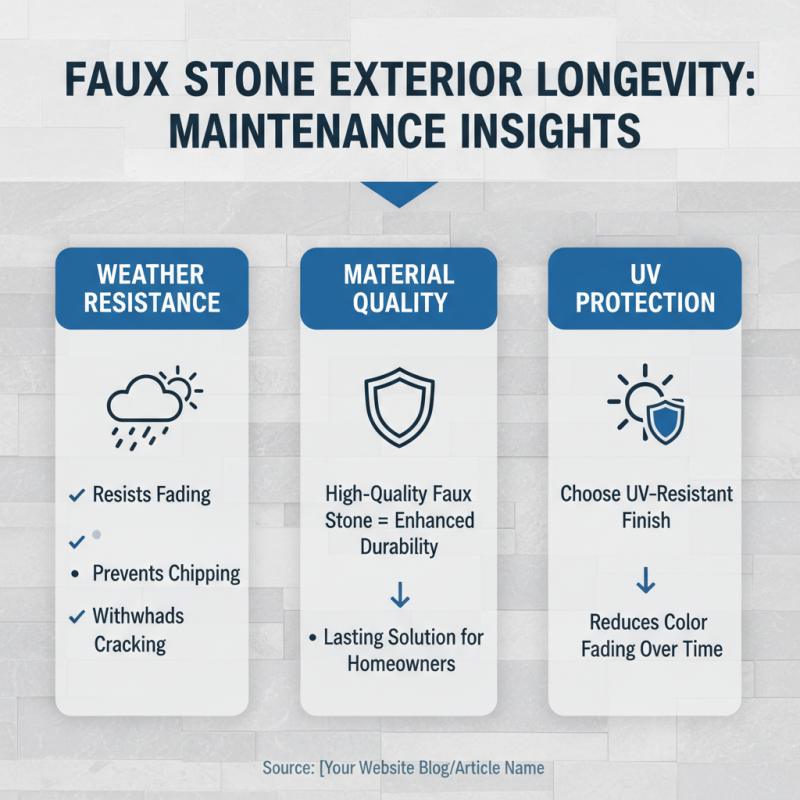
When considering faux stone for your home, maintenance plays a critical role in ensuring longevity. One significant factor is the material’s resistance to weather conditions. Reports indicate that high-quality faux stone can resist fading, chipping, and cracking in varying climates. This durability enhances its appeal to homeowners seeking a lasting exterior solution. However, not all faux stones are equal. Choosing a product with a UV-resistant finish can drastically reduce color fading over time.
Regular cleaning is essential for maintaining the aesthetic and structural integrity of faux stone exteriors. Dirt, mold, and mildew can accumulate. Studies suggest that routine cleaning, at least twice a year, can improve the lifespan by 5 to 10 years. A simple mixture of water and mild soap often suffices for cleaning. It’s important to avoid harsh chemicals as they can degrade the material. Additionally, checking for any signs of damage after storms can mitigate larger issues down the line.
Another point of reflection is the overall installation quality. Improper installation may lead to gaps or misalignment, allowing moisture penetration. This can cause long-term damage despite the faux stone's initial sturdiness. Investing in a professional installation can help ensure that your faux stone remains an asset rather than a liability. Longevity is not just about the material; it's also about how well it is maintained and installed.