What Is Colored Stone Metal Tile and Where Is It Used?
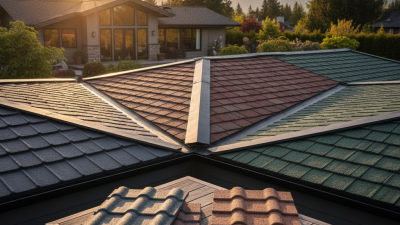
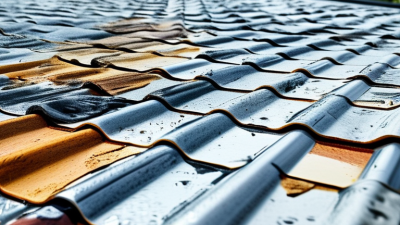
Colored Stone Metal Tile combines a shaped metal core with a protective coating and colored stone granules. It resembles clay, slate, or traditional shingles, but usually weighs less. The surface feels slightly rough between your fingers. In sunlight, the granules create small changes in tone instead of a flat painted finish.
The term is not perfectly standardized. Manufacturers may describe similar products as stone-coated metal roofing or granular-coated steel tiles. Todd Miller, a respected metal-roofing educator and president of Isaiah Industries, has stated, “A roof should be evaluated as a system, not merely as a covering.” This principle matters here. Tile shape, steel thickness, corrosion protection, fasteners, flashing, underlayment, and ventilation all influence performance. A beautiful sample cannot reveal every installation risk.
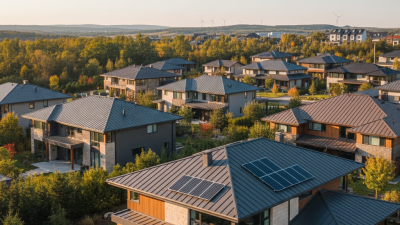
This article will examine what Colored Stone Metal Tile is, how it is manufactured, and where it is commonly used. Residential roofs are its most familiar application, especially in coastal homes, mountain properties, and areas with heavy rain or strong sunlight. Some commercial buildings also use it when designers want a traditional appearance with reduced structural weight. It may suit renovations, but not every roof structure is ready for it. Local climate, roof pitch, drainage, and installer experience require careful review. The color can fade subtly over time. That is normal, but often overlooked. Real performance depends on more than appearance. A product warranty also deserves close reading, because coverage, maintenance duties, and installation conditions may differ.
Definition and Composition of Colored Stone Metal Tile
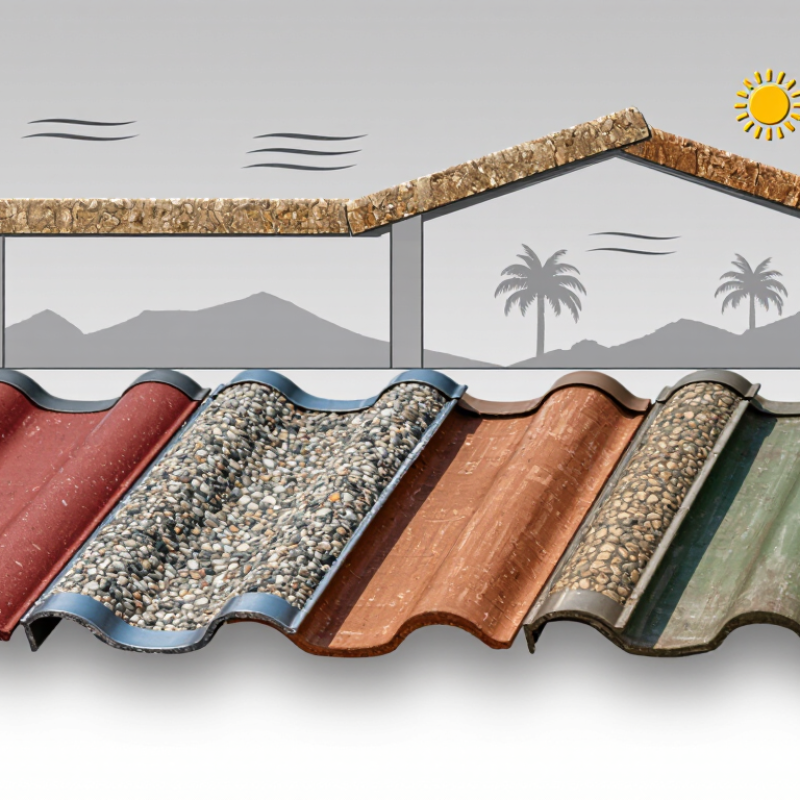
Colored stone metal tile is a lightweight roofing material made from formed metal sheets and mineral granules. It is not solid stone. Instead, a steel or aluminum core provides the shape and structural support. A protective metallic coating, often based on zinc or an aluminum-zinc alloy, helps resist moisture and surface corrosion. The visible stone layer creates color, texture, and a more natural roof appearance.
During production, the metal sheet is pressed into a tile profile. A primer and weather-resistant resin are applied before colored stone granules are embedded into the surface. A final protective coating may help reduce granule loss and fading. The granules usually come from crushed, graded minerals. Their size affects the roof’s texture and light reflection. Small details matter here. Poor bonding can shorten service life.
These tiles are commonly used on houses, villas, garden buildings, and low-rise commercial roofs. Their light weight can reduce structural demands during renovation. I have found that handling quality matters as much as the material itself. Edges can be scratched during cutting, especially when workers rush. Installation should follow local building requirements, including fastener spacing, roof pitch, drainage, and wind resistance. Color samples also deserve caution, because sunlight and batch differences can change the final appearance. A durable tile still needs careful transport, accurate cutting, and regular inspection around joints and roof penetrations.
Key Features and Performance Characteristics
Colored stone metal tile combines a shaped steel core with a protective coating and mineral granules. The metal layer provides structural strength without the weight of traditional clay or concrete tiles. The stone surface adds texture, color depth, and improved resistance to surface wear. It also reduces the sharp sound of rainfall compared with bare sheet metal. Installation matters.
Its performance depends on several layers working together. A corrosion-resistant coating protects the steel from moisture, while the granular surface helps shield the coating from sunlight and minor impacts. Properly fixed tiles can resist wind uplift, but fastener spacing, roof pitch, and edge detailing remain critical. In coastal or industrial areas, installers should select suitable corrosion protection and inspect exposed cut edges carefully. Local weather data should guide the specification.
Colored stone metal tile is commonly used on houses, apartment buildings, garden structures, and light commercial roofs. It suits renovation projects where the existing structure cannot support heavy coverings. The textured finish can imitate slate, shingles, or traditional tile, offering more design flexibility than plain metal panels. Maintenance is usually simple: remove leaves, check drainage paths, and inspect joints after severe weather. No material is perfect. Hail, poor ventilation, trapped moisture, or careless installation can shorten service life. Actual durability should be verified through product testing, installation records, and regular roof inspections rather than appearance alone.
Common Architectural and Interior Applications
Colored stone metal tile combines a shaped metal core with a bonded layer of colored stone granules. This construction creates a textured surface that resembles traditional masonry materials while remaining relatively lightweight. In practice, installers value its manageable handling and resistance to changing weather. However, performance depends on proper underlayment, flashing, fasteners, and drainage details.
On residential roofs, these tiles suit cottages, villas, extensions, and homes with steep or visually prominent rooflines. Their varied colors can support Mediterranean, rustic, contemporary, or heritage-inspired designs. They also work on covered entrances, garden structures, and small commercial buildings. A warm brown surface may soften a timber façade, while charcoal tones can sharpen a modern exterior. Color samples help, but sunlight often changes the appearance.
Interior applications are more selective. Designers may use cut tiles for feature walls, reception backdrops, fireplace surrounds, ceiling accents, or sheltered balcony surfaces. They can add a tactile, mineral-like finish without the weight of solid stone. Still, the material should not be treated as universally suitable. Kitchens, bathrooms, and busy public areas require careful checks for moisture, cleaning chemicals, edges, and impact resistance. A small mock-up is wise. Early concepts sometimes look impressive, yet repeated handling can reveal awkward joints or excessive texture. Experienced contractors should confirm the substrate, ventilation, maintenance needs, and local building requirements before installation.
Selection, Installation, and Maintenance Considerations
Colored stone metal tile is usually formed steel with a protective metallic coating and bonded mineral granules. Selection should begin with climate exposure, roof pitch, and structural capacity. In coastal areas, specify corrosion-resistant coatings and stainless or compatible fasteners. In snowy regions, check local snow-load requirements. A heavier tile is not automatically better. Granule adhesion, panel thickness, flashing quality, and documented testing matter more.
The U.S. Department of Energy’s Energy Saver guidance reports that cool roofs can reduce roof temperatures by up to 50°F and lower cooling demand. Lighter-colored stone surfaces may help in hot climates, though ventilation remains essential. Choose systems tested for wind uplift, water penetration, and fire performance under relevant ASTM standards. The USGS Mineral Commodity Summaries 2024 reports approximately 58 million metric tons of steel scrap were recycled in the United States during 2023. Recyclability adds value, but it does not replace responsible installation.
Installation requires a continuous underlayment, correctly aligned battens when specified, and carefully sealed valleys, ridges, and penetrations. Avoid mixing incompatible metals. It causes trouble later. Maintenance should include biannual visual inspections, especially after hail or severe wind. Remove leaves with a soft brush, and rinse salt deposits with clean water. Do not use abrasive tools or pressure washing. A practical field lesson is easy to miss: damaged granules often appear minor, yet exposed metal can corrode faster around cut edges. Repairing those spots early is usually wiser than waiting for leaks.
What Is Colored Stone Metal Tile and Where Is It Used?
Colored stone metal tile is a lightweight roofing product made from formed coated steel with a protective metallic layer, colored mineral granules, and an outer acrylic or similar seal. It is commonly used on residential roofs, low-rise commercial buildings, renovations, and projects where reduced roof weight is important.
The chart shows typical installed roof-cover weight ranges. Stone-coated metal tiles are generally much lighter than clay or concrete tiles, which can reduce structural loading. Actual specifications vary by profile, coating system, local climate, roof pitch, underlayment, and building code. During selection and installation, confirm the required slope, use compatible flashings and fasteners, install the specified underlayment, and inspect the roof at least annually. Remove leaves and debris with non-abrasive cleaning methods, and check after severe weather.